


- By ali-steel
- 28 Feb 2025
- Corporate Solutions
- No Comments
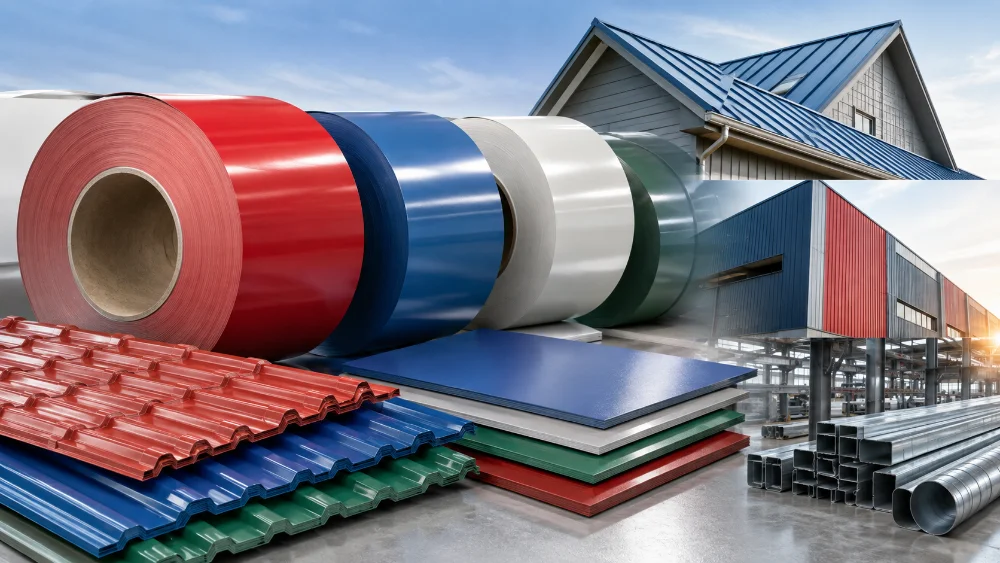
PPGI steel is one of the most widely used coated steel products in construction, manufacturing, roofing, appliances, and industrial fabrication. It combines the strength of steel with the corrosion protection of a galvanized layer and the appearance of a factory-applied paint system.
Because it is available in different colors, thicknesses, coating systems, and surface finishes, PPGI can be adapted to a wide range of applications. However, choosing the right product requires more than selecting a preferred color or comparing prices.
At Ali Steel, we help customers understand the complete PPGI specification so they can choose a product that matches the environment, manufacturing process, and expected service life of their project.
What Does PPGI Mean?
PPGI stands for Prepainted Galvanized Iron. In practice, the term usually refers to galvanized steel that has been coated with an organic paint system before being formed into the final product.
The word “prepainted” means that the material is painted while it is still in continuous coil form. It is then supplied as a coil, cut sheet, corrugated roofing panel, wall-cladding sheet, appliance component, or another finished product.
A typical PPGI structure may include:
Steel substrate
Zinc or zinc-based metallic coating
Chemical pretreatment
Primer layer
Topcoat
Protective back coat
Each layer performs a specific function.
The steel substrate provides strength and rigidity. The galvanized layer protects the base steel from corrosion. Pretreatment and primer improve coating adhesion, while the topcoat provides color, weather resistance, gloss, and surface protection.
How Is PPGI Different From Galvanized Steel?
Galvanized steel is coated with zinc to improve corrosion resistance. PPGI uses galvanized steel as its base material but adds a factory-applied paint system.
This additional coating provides several advantages, including:
A finished decorative appearance
A wide selection of colors
Better resistance to weathering
Improved surface protection
Reduced need for painting after installation
Greater design flexibility
Galvanized steel is often selected where a metallic appearance is acceptable. PPGI is generally preferred when the project requires both corrosion protection and a consistent colored finish.
The final choice depends on application, budget, environment, and visual requirements.
How Is PPGI Manufactured?
PPGI is normally produced through a continuous coil-coating process.
The main production stages include:
Selecting the galvanized steel substrate
Uncoiling the steel strip
Cleaning the surface
Applying chemical pretreatment
Drying the strip
Applying primer
Curing the primer in an oven
Applying the topcoat and back coat
Completing the final curing stage
Cooling the coated strip
Inspecting the finished surface
Recoiling and packaging the material
The quality of PPGI depends on careful control throughout the entire process.
Even high-quality paint may not perform correctly if the steel surface is poorly cleaned or the primer is not properly cured. Similarly, an attractive coating cannot compensate for an unsuitable steel thickness or insufficient zinc protection.
At Ali Steel, we encourage customers to evaluate PPGI as a complete material system rather than focusing on one visible feature.
Main Benefits of PPGI Steel
1. Corrosion Resistance
One of the most important benefits of PPGI is its resistance to corrosion.
The galvanized layer protects the steel substrate, while the paint system creates another barrier against moisture, air, dust, and environmental contaminants.
The actual level of corrosion resistance depends on:
Zinc coating mass
Paint type
Paint thickness
Primer quality
Environmental exposure
Installation quality
Maintenance
Condition of cut edges
PPGI used in a dry indoor environment may not require the same specification as material installed in a coastal, humid, agricultural, or industrial location.
2. Attractive Appearance
PPGI is available in a broad range of:
Colors
Gloss levels
Textures
Patterns
Surface finishes
This allows architects, contractors, and manufacturers to select materials that match the visual identity of a building or product.
PPGI can create a clean and consistent finish without requiring painting after installation. This is particularly useful for roofing, wall cladding, appliances, doors, and prefabricated structures.
3. Fast and Efficient Installation
Because PPGI is supplied with a finished surface, it can often be installed or processed directly.
This helps reduce:
On-site painting
Drying time
Surface preparation
Labor requirements
Project delays
Paint waste
For roofing and cladding projects, PPGI sheets can be profiled and cut according to the required dimensions before delivery.
4. Lightweight Construction
PPGI steel sheets provide useful strength while remaining relatively lightweight compared with many traditional construction materials.
This can simplify:
Transportation
Lifting
Handling
Installation
Structural design
The profile shape also improves stiffness. Corrugated and trapezoidal PPGI sheets can provide strong performance even when manufactured from relatively thin steel.
5. Good Formability
PPGI can be processed into different shapes using:
Roll forming
Bending
Pressing
Stamping
Slitting
Cutting
Profiling
The coating system must be flexible enough to withstand the intended forming process without cracking or peeling.
The correct steel grade, primer, paint type, and curing level should therefore be selected according to the final manufacturing operation.
6. Consistent Factory-Applied Finish
Factory coating provides better consistency than painting individual products manually after fabrication.
A controlled production line can maintain:
Uniform color
Consistent gloss
Controlled coating thickness
Stable curing
Better surface cleanliness
Repeatable quality
This consistency is especially important for large projects where multiple coils or sheet batches must have a similar appearance.
7. Reduced Maintenance
A suitable PPGI product generally requires less maintenance than uncoated steel.
Periodic cleaning and inspection are still important, especially in areas exposed to salt, chemicals, dust, or moisture. However, the factory-applied coating helps reduce the need for frequent repainting.
Common Applications of PPGI
PPGI is used across many industries because of its combination of strength, appearance, and processing flexibility.
Roofing and Wall Cladding
PPGI is widely used for:
Industrial roofing
Warehouse roofs
Factory cladding
Commercial buildings
Agricultural structures
Canopies
Garages
Prefabricated buildings
The sheets may be formed into corrugated, trapezoidal, tile-effect, or standing-seam profiles.
Sandwich Panels
PPGI is commonly used as the external and internal skin of insulated sandwich panels.
These panels are used in:
Cold rooms
Warehouses
Factories
Clean rooms
Food-processing facilities
Prefabricated buildings
The PPGI surface provides protection, appearance, and compatibility with the panel-production process.
Home Appliances
PPGI may be used in refrigerators, washing machines, air-conditioning units, ovens, and other appliances.
Appliance applications often require:
High-quality appearance
Consistent color
Scratch resistance
Good formability
Easy cleaning
Doors and Shutters
PPGI is used for garage doors, rolling shutters, steel doors, storage units, and access panels.
The material provides a ready-colored surface that can be formed into different profiles and designs.
HVAC and Industrial Equipment
Heating, ventilation, and air-conditioning manufacturers may use coated steel in ducts, cabinets, housings, and equipment panels.
The correct coating should be selected according to indoor exposure, humidity, cleaning requirements, and manufacturing methods.
Interior Applications
PPGI can also be used for:
Ceilings
Partitions
Decorative panels
Shelving
Storage systems
Furniture components
Interior products may prioritize appearance, cleanability, and formability rather than severe outdoor weather resistance.
Key PPGI Specifications
Before purchasing PPGI, buyers should review several technical specifications.
Steel Grade
The steel grade determines mechanical properties such as:
Yield strength
Tensile strength
Elongation
Formability
A roofing sheet may require different properties from a deeply formed appliance component.
Steel Thickness
Thickness affects:
Rigidity
Load capacity
Resistance to denting
Fastener performance
Handling durability
Product weight
Buyers should confirm whether the stated thickness refers to base metal thickness or total coated thickness.
Coil Width and Weight
Coil dimensions should match the buyer’s processing equipment.
Important details include:
Coil width
Internal diameter
External diameter
Maximum coil weight
Edge condition
Width tolerance
Zinc Coating
The zinc coating is one of the main factors affecting corrosion protection.
The required coating depends on the final application and environment. Outdoor or aggressive environments may need stronger protection than dry indoor applications.
Paint System
Common PPGI paint systems include:
Polyester
Silicone-modified polyester
Polyurethane
Plastisol
PVDF
Standard polyester is suitable for many general applications. More advanced coating systems may provide improved weather resistance, color retention, or chemical performance.
Paint Thickness
Paint thickness should be suitable for the environment and final application.
The specification may include:
Primer thickness
Topcoat thickness
Back-coat thickness
Total dry film thickness
Uniformity and curing quality are just as important as the stated thickness.
Color and Gloss
Colors are commonly identified using recognized color systems or agreed samples.
Buyers should confirm:
Color code
Gloss level
Surface texture
Acceptable color tolerance
Batch consistency
A physical sample is preferable to relying only on a screen or printed catalog.
Surface Protection
Some PPGI products are supplied with a removable protective film.
This film can help reduce scratches during profiling, handling, and installation. However, it should be removed according to the supplier’s instructions and should not remain exposed for an excessive period.
How to Choose the Right PPGI Product
The correct PPGI specification depends on the complete project environment.
Before placing an order, consider:
Final application
Indoor or outdoor use
Coastal or inland location
Humidity
Chemical exposure
Required lifespan
Forming process
Structural requirements
Desired color
Maintenance conditions
Budget
A cheaper specification may reduce the initial purchase cost, but it can increase the risk of corrosion, fading, deformation, and early replacement.
At Ali Steel, we help customers compare steel thickness, coating type, paint system, dimensions, and application requirements before confirming the order.
How to Store and Handle PPGI
Correct storage and handling are essential for maintaining product quality.
PPGI coils and sheets should be:
Stored in a dry, covered location
Protected from rain and condensation
Kept away from chemicals
Lifted using suitable equipment
Protected from scratches
Kept in stable packages
Inspected after delivery
Sheets should not be dragged across one another, as this can damage the coating.
If the material becomes wet during transportation, it should be dried and inspected promptly to reduce the risk of water staining.
Conclusion
PPGI steel is a versatile material that combines the strength of steel, the corrosion resistance of galvanizing, and the appearance of a factory-applied colored coating.
Its benefits include durability, design flexibility, efficient installation, good formability, consistent appearance, and reduced maintenance. These advantages make it suitable for roofing, wall cladding, sandwich panels, appliances, doors, HVAC systems, and many other applications.
However, not all PPGI products provide the same performance. Steel grade, thickness, zinc coating, paint system, curing quality, dimensions, and environmental exposure all influence the final result.
At Ali Steel, we focus on supplying PPGI solutions based on clear specifications and real project requirements. By choosing the right combination of substrate, coating, color, and dimensions, customers can achieve dependable performance, attractive appearance, and better long-term value.


